
Key takeaways
- Compare hardtop gazebos with privacy curtains by roof type, size, curtain fabric, tracks, and anchoring, and pick the right shelter for your patio or yard.
As an Amazon Associate I earn from qualifying purchases. This post may contain affiliate links at no extra cost to you.
As an Amazon Associate we earn from qualifying purchases.
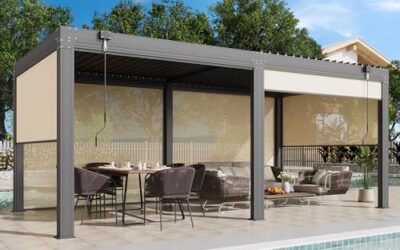
A hardtop gazebo with privacy curtains is a shelter, not a pop-up you fold away after dinner. The real decision is not which one looks nicest in a photo. It is whether the roof can shed rain and snow without sagging, whether the curtains actually close off a side completely, and whether the frame can be anchored to your patio, deck, or lawn without wobbling. Curtains that cover only half a side, or hang from flimsy rings, will frustrate you every time you try to block low sun or a neighbour’s view.
This guide is for homeowners setting up a long-term outdoor room, renters who need shade and privacy on a patio, and anyone who hosts meals or evening drinks outside and wants the option of closing the space off. It walks through roof materials, sizing, curtain systems, and anchoring, so you can compare models on the features that decide whether a gazebo lasts or becomes a chore.
How to Choose
Roof Material and Venting
A hardtop roof is usually galvanized steel, aluminium, or polycarbonate panels, and each behaves differently. Steel roofs are heavy, quiet in rain, and resist dents from falling branches, but they need a coating that resists rust where screws and seams sit. Polycarbonate panels let in soft daylight and weigh less, which suits lighter frames, yet they can rattle in wind and may yellow over years of direct sun. Look for a double-tier or vented roof, because the gap between layers lets hot air escape instead of building up underneath. A gazebo with a small vent at the peak stays noticeably cooler on a still summer afternoon than a sealed single-layer roof, and the vent also relieves wind pressure during storms.
Size and Footprint
Measure the space before you fall for a footprint. A 10 by 12 foot gazebo sounds generous until a six-seat dining table, two chairs pulled out, and a grill nearby leave no room to walk. Allow at least two feet of clearance around furniture so people can move without brushing the curtains. Check the height as well: the centre height matters for tall guests and hanging lights, while the eave height decides whether you bump your head near the edges. Also confirm the post spacing, since posts that sit exactly where your deck boards end, or where a patio slab meets grass, can force awkward anchoring. Tape the outline on the ground first and sit in the space before ordering.
Curtain Fabric, Tracks, and Closure
Privacy curtains are only as good as their fabric and the way they move. Look for a fabric weight stated in grams per square metre: heavier polyester, around 160 grams or more, blocks sightlines and holds its shape in a breeze, while thin curtain panels billow and turn translucent in backlight. The track system matters just as much. Curtains that slide on a dedicated rail with smooth rollers glide closed with one hand, while panels hung from simple hooks tend to bunch up and snag. Check how the curtains close at the corners, since gaps at the posts are where wind and prying eyes get in. Zippered edges, tie-backs, and weighted hems all help the panels stay put once drawn.
Frame, Anchoring, and Weather Limits
The frame carries everything, so read its material and its anchoring options together. Powder-coated aluminium resists rust and stays light enough for two people to assemble, while steel frames are sturdier but heavier and need their coating checked for chips. Every hardtop gazebo needs anchoring: expansion bolts for concrete, lag screws for wood decking, or ground stakes and weights for soil, and re-check them again after a month. A model that ships without the right hardware for your surface is not a bargain. Also note the maker’s stated wind and snow limits. A gazebo rated for light wind only is a fair-weather shelter, not a four-season structure, and ignoring that rating is how roofs end up in the neighbour’s garden.
Which One Fits Your Situation
Dining Outside on a Windy Patio
Pick a mid-size steel-roof model with a double-tier vent and curtains on a proper sliding track. The vent keeps the space comfortable while you eat, the steel roof handles a sudden shower, and curtains that glide shut block a cross-breeze without flapping into the food. Anchor it with expansion bolts into the patio slab, and choose a size at least two feet wider than your table on every side so chairs can slide out freely without catching the curtain hems.
A Hot Tub or Lounge Area That Needs Real Privacy
Pick a gazebo with heavy, full-length curtains that meet at the corners, plus mosquito netting on a separate track. The thick fabric keeps the space genuinely private in the evening, and the netting lets you leave the curtains open on calm nights without inviting insects inside. A polycarbonate roof works well here because it softens the light, and a ceiling hook for a fan or a string of lights turns the space into a proper outdoor room for evening soaks.
A Small Deck or a Rented Patio
Pick a compact 10 by 10 foot aluminium model with a single-tier roof and lightweight curtains. Aluminium keeps the weight down for a deck with a load limit, and the smaller footprint leaves room for a couple of lounge chairs, a side table, and a small potted plant. Choose a model that anchors with deck screws or removable weights rather than permanent bolts, so you can take it down or move it when the lease ends without leaving damage behind.
A Large Backyard That Hosts Gatherings
Pick the largest footprint your yard allows, ideally 12 by 16 feet, with a double roof and curtains all round. A big gazebo shelters a full dining set plus a serving table, and full curtains let you close off the windward side when the evening cools down. Check the snow and wind rating, since a large roof catches more weather, and plan the assembly as a two-person job over a full afternoon with the posts bolted to concrete footings.
Common Mistakes
- Ordering a gazebo before measuring the patio, then discovering the posts land on a slab edge, a deck seam, or a drain cover, which forces you to shift the whole structure or drill into a spot that cannot hold an anchor. Tape the footprint on the ground, mark every post, and check what sits underneath each one before you buy, because returning a gazebo that is already half-assembled is a miserable job nobody wants.
- Choosing thin, unweighted curtains that billow open in a light breeze and turn see-through the moment evening light hits them from behind. A curtain that looks private in a product photo can be useless in practice, so check the fabric weight carefully, look for a lining or a darker weave, and favour panels with weighted hems that hang straight instead of floating. If the maker does not state the fabric weight at all, treat that silence as a warning. Curtains sold as privacy panels should block a clear view from a few feet away, so hold a sample up to a bright window before committing.
- Skipping the anchoring hardware because the gazebo feels heavy standing still, then watching it shift, lean, or lift in the first strong wind. Weight alone never holds a roofed structure down: wind gets under the canopy and turns it into a sail. Buy the right anchors for your surface, whether that means expansion bolts for concrete, lag screws for decking, or stakes and weights for soil, and fit them on day one rather than after the first scare.
- Ignoring the maker’s wind and snow limits and leaving the curtains closed through a storm, which multiplies the force on the frame and the anchors. Closed panels catch far more wind than an open frame, and a heavy snowfall on a roof that was never rated for it can bend beams or collapse the whole structure. Take the curtains and netting down before bad weather, clear snow from the roof, and accept that some gazebos are fair-weather shelters rather than four-season buildings. If the forecast turns, ten minutes spent removing the panels beats a season of repairs.
- Picking a single-tier roof with no vent and then wondering why the space feels like an oven on a still afternoon. Heat builds fast under a sealed metal roof, and without a gap for hot air to escape, even a shaded seat becomes uncomfortable by midday. A double-tier or vented roof costs a little more and adds a little assembly time, but it keeps the air moving and makes the gazebo usable through the hottest part of the day instead of only in the evening.
Frequently Asked Questions
Do privacy curtains make a gazebo waterproof?
No. Curtains block sightlines, wind, and some driven rain, but they are not a sealed wall. Water can still get in at the corners, under the hem, and through the roof vent during heavy rain. If you need a dry space in a downpour, look for curtains with zippered edges and weighted hems, and keep furniture a foot or two inside the roofline so splashes do not reach it.
Can a hardtop gazebo stay up all year?
It depends on the frame, the roof, and your climate. A sturdy steel or aluminium gazebo with a stated snow-load rating can stay up through winter in many regions, but you should remove the curtains and netting before heavy snow or storms, since fabric catches wind and adds load. In areas with very heavy snow, clearing the roof or taking the structure down for the winter is the safer choice.
How many people does it take to assemble a hardtop gazebo?
Most 10 by 12 foot models need two to four people and around two to four hours, following the manual carefully and any video the maker provides. The roof panels are the awkward part: they are large, sometimes sharp-edged, and hard to hold overhead alone. Lay out every part and check it against the parts list before starting, because a missing bolt discovered halfway up a ladder wastes an afternoon.
Should the curtains be open or closed in strong wind?
Open, or fully removed if a storm is coming, since panels fail first in gusts. Closed curtains catch wind like sails and multiply the force on the frame and anchors, which is the most common cause of damage. If you only need privacy in a light breeze, draw the curtains on the sheltered side and leave the windward side open, and always tie back or remove panels before gusts arrive.

Write Your Review
No reviews yet. Be the first to share your experience!